
Understanding Non-Visible Disabilities: Disability Pride Month!
Disability Pride Month is an invitation to challenge narrow ideas of what disability looks like and who is believed. This post explores the realities of living with non-visible disabilities, the impact of invisibility and disbelief, and why creating more affirming, accessible spaces begins with listening and believing people's lived experiences.
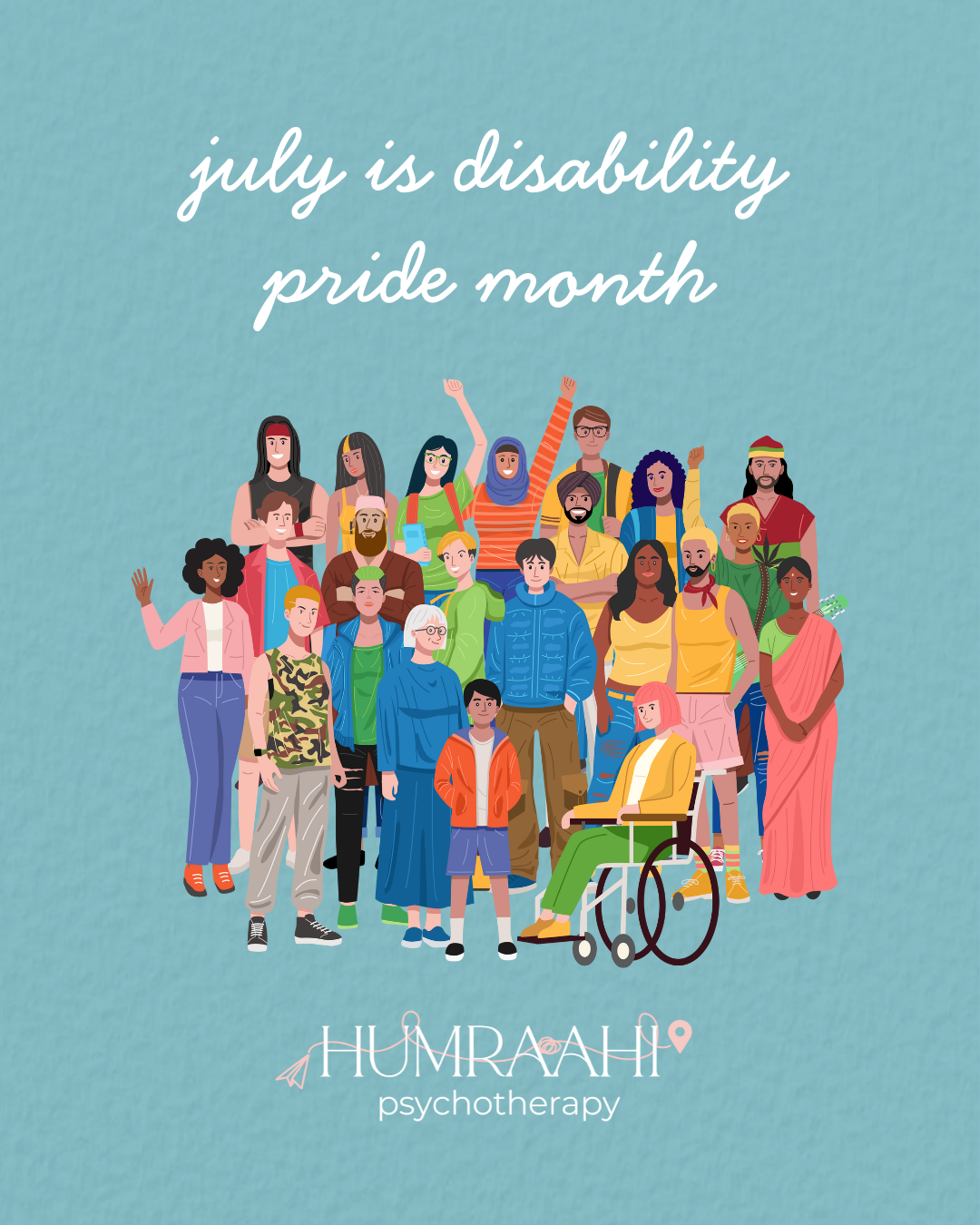
July is Disability Pride Month.
A time to honor the richness of human diversity and to affirm that disability is not something to fix or hide, but something to understand, celebrate, and make space for.
Disability is not always visible.
A non-visible disability is a disability or health condition that is not immediately obvious.
It can defy stereotypes of what people might think disabled people look like and makes it difficult for people with non-visible disabilities to access what they need.
Daily life can look different for people with non-visible disabilities.
Non-visible disabilities include a wide range of disabilities. These are not limited to, but may include:
mental health conditions, including anxiety, depression, schizophrenia, personality disorders, obsessive compulsive disorder
autism
visual impairments or restricted vision
hearing loss
sensory and processing difficulties
cognitive impairment, including dementia, traumatic brain injury, or learning disabilities
non-visible health conditions, including diabetes, chronic pain or fatigue, respiratory conditions, incontinence
and more
For individuals living with non-visible disabilities, the lack of external “evidence” can lead to disbelief, judgment, or accusations of exaggerating or faking symptoms.
Many are told they “don’t look disabled” or are questioned when they ask for accommodations.
This skepticism not only adds emotional labor to an already challenging experience but also reinforces internalized shame and isolation.
When society equates disability with visibility, it creates a narrow and exclusionary definition that marginalizes a vast group of people.
As mental health professionals, we hold space for the grief, frustration, and exhaustion that comes with being misunderstood, disbelieved, or expected to perform in neurotypical, able-bodied ways.
But we also witness the fierce resilience, advocacy, creativity, and care that neurodivergent and disabled people bring into the world.