
Peer Supervision and the Power of Community
The early years of practicing psychotherapy can feel both rewarding and deeply isolating. This post explores how peer supervision offers early-career therapists a space for reflection, shared learning, and community, highlighting the role of collaborative support in building confidence, clinical insight, and a sustainable professional identity.
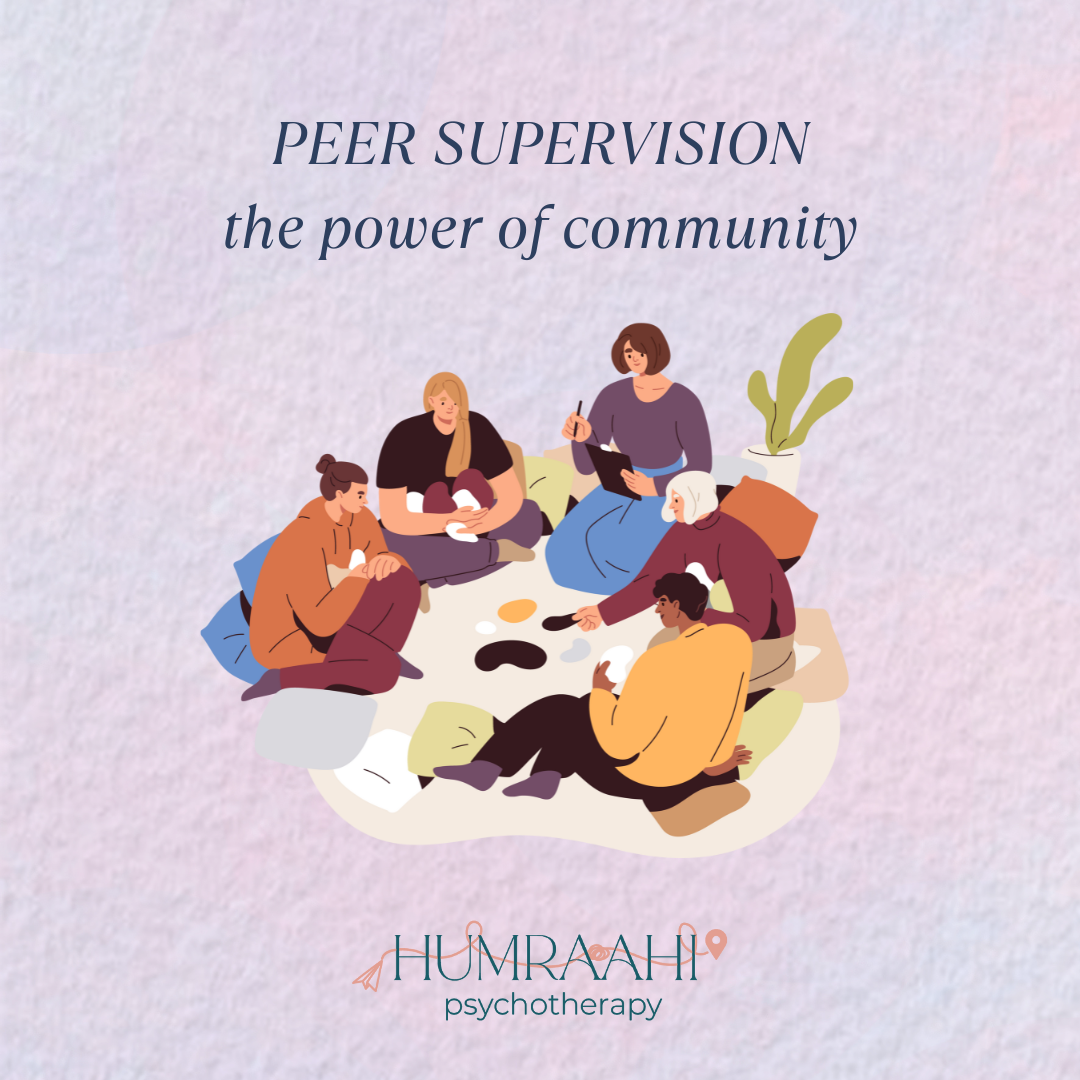
Entering the field of psychotherapy as an early career therapist (0-2 years) can be both exciting and daunting. The transition from theoretical learning to practical application often comes with a host of challenges. To navigate these initial years effectively, peer supervision emerges as a vital resource.
The safety net of a strong peer network, and a good supervisory space can serve as great scaffolding for a therapist’s developing sense of identity and self-reliance.
Peer supervision gives us the space to have multiple sounding boards - to discuss your process, your stuckness in sessions with therapists who recognise closely what it’s like to experience the therapeutic relationship as you are. Our struggles, our joys, our amazement, and our lostness can all feel like they are not only well-understood but validated, held and soothed.
Peer supervision can act as a great middle ground that allows you to seek support, and relieves you of the pressure that consulting with senior therapists might come with. The ease of authenticity may invite us to engage in richer, reflective, and more honest discussions about our journey as therapists.
Experiencing yourself as a peer, a trusted colleague whose insights are valued and sought can help build trust in yourself.
Alternating between the role of a presenter who critically engages with their cases, a peer who provides safety and insightful engagement, and a therapist who understands the layers of processing required in a room, allows an individual to focus on polishing all corners of their professional identity.
When combined, peer and individual supervision can be a great support system for an early career therapist. It combats the loneliness that can accompany us, gives us a safe space for professional development, and allows us to build a reliable network of connections we can rely on in our otherwise individualistic career paths.
The sense of community fostered in peer supervision is unparalleled. When therapists come together in a supportive group, they create a network of shared understanding and empathy. This community becomes a safe haven where they can discuss their uncertainties, celebrate their successes, and process their experiences without fear of judgment.