
On Medical Paternalism: How “Doctor Knows Best” Silences Patients
Medical paternalism occurs when healthcare providers override patients’ voices in the name of “doctor knows best.” This post explores its impact on trust, care, and autonomy — especially for disabled individuals — and how we can shift towards collaborative, patient-centred practice.
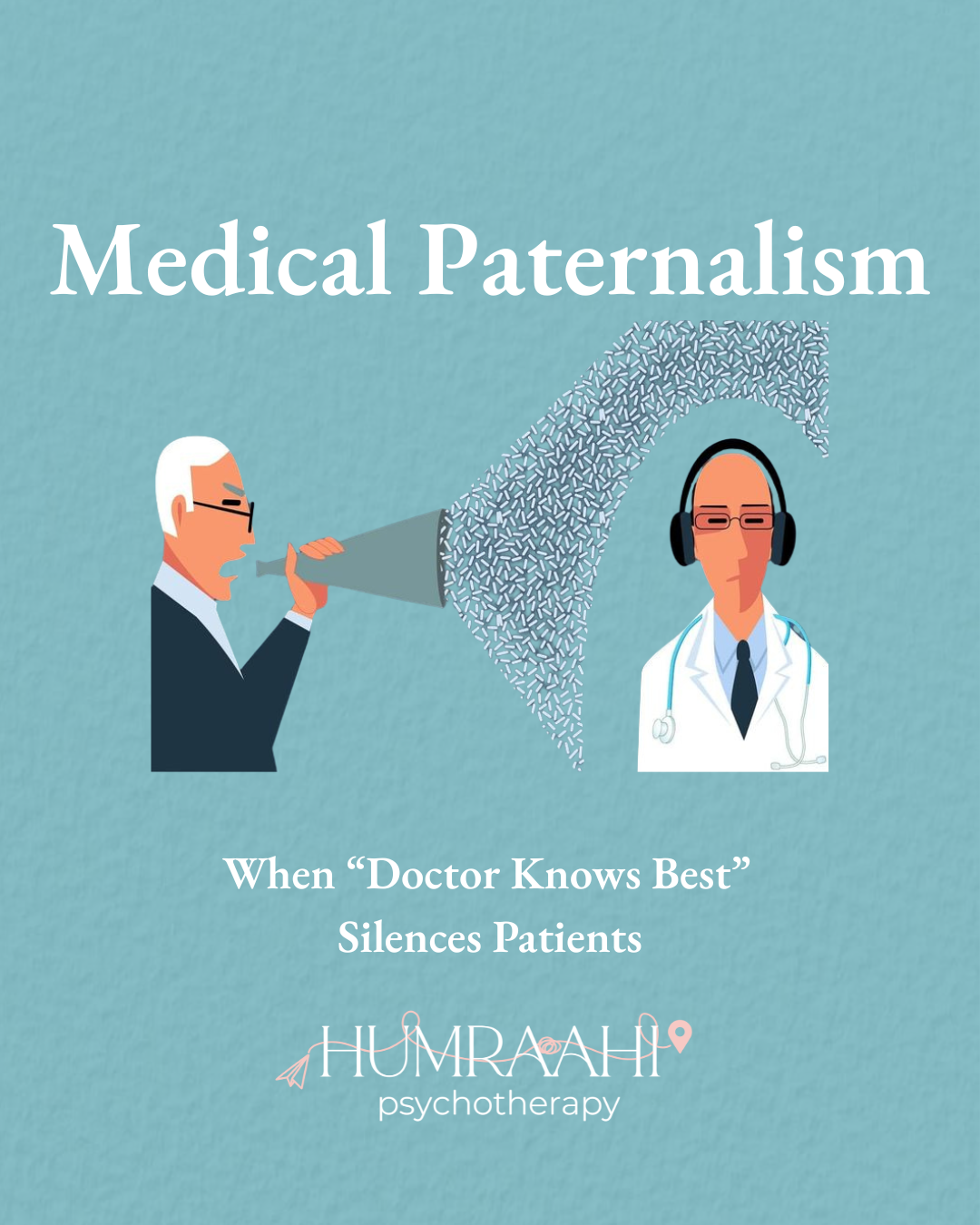
Medical paternalism happens when healthcare providers assume the authority to decide what’s best for a patient, sidelining the patient’s own voice, knowledge, and right to participate in decisions about their body. It’s rooted in the belief that “doctor knows best” — a mindset that can easily slip from guidance into control.
For many, this isn’t an occasional frustration but a recurring reality that can stretch over years. Symptoms may be minimised, reframed as “normal,” or dismissed without meaningful conversation. A provider might decide against prescribing certain treatments, ordering further tests, or even sharing the full picture of a diagnosis, assuming the patient “doesn’t need to know” or “wouldn’t understand.” Informed consent becomes a formality rather than a genuine process.
Testing often becomes the ultimate gatekeeper of legitimacy. When lived experience doesn’t match lab results or imaging reports, the patient’s account is deprioritised. If those results are deemed “normal,” treatment is sometimes halted or withheld altogether, regardless of ongoing distress.
Over time, medical paternalism can erode trust in healthcare systems, discourage people from seeking further care, and leave them with untreated or worsening conditions. It can also create a power dynamic where patients feel they must passively comply rather than actively collaborate — reinforcing the idea that expertise lies solely with the provider.
Disabled people often bear the heaviest weight of medical paternalism. Their autonomy is routinely undermined by assumptions about capacity, quality of life, and what constitutes a “good outcome.” Decisions are too often shaped by stereotypes — that disability is inherently tragic, that disabled lives are less valuable, or that non-disabled professionals always know best. When paternalism intersects with other forms of bias — sexism, transphobia, casteism, or classism — the result is a layered exclusion that erases individual realities in favour of one-size-fits-all narratives.
Moving away from paternalism means:
Recognising patients as experts in their own bodies.
Ensuring informed consent is thorough, transparent, and meaningful.
Sharing decision-making power rather than hoarding it.
Valuing lived experience alongside medical data.
As mental health professionals, we can hold space for individuals who have experienced medical paternalism by:
Inviting their voice into the conversation before offering solutions.
Sharing decisions openly and respecting informed refusals.
Validating the client as the foremost expert on their own body and mind.
Slowing the pace to allow time for processing.
Examining our own biases and motivations.
Reimagining care means shifting from “I know best” to “We decide together.”