
Healing in Community
Support groups are more than spaces to share stories—they are spaces to witness, be witnessed, and discover that you don't have to navigate life's challenges alone. This post explores how support groups foster safety, connection, and collective healing, reminding us that some of our deepest struggles become lighter when held in community.
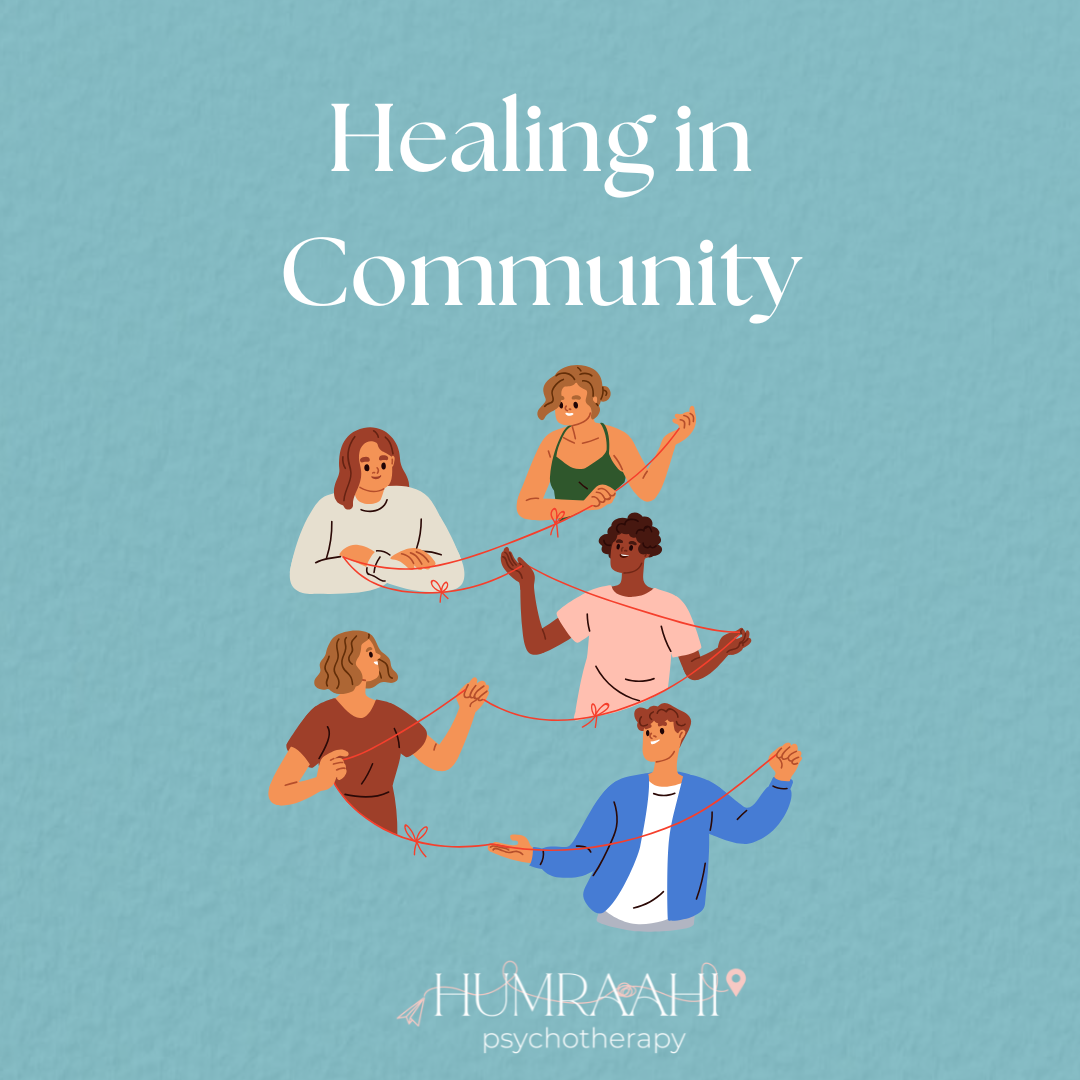
When you think of a support group, you might imagine people sitting in a circle, sharing their stories.
But what really happens in these spaces?
How do they work?
Research consistently shows that joining a support group brings significant emotional relief, improves coping strategies, and helps develop a stronger sense of community.
Why?
Because many of our struggles are not just individual—they’re shared human experiences shaped by larger societal and political contexts. Healing, then, isn’t just about addressing our pain in isolation; it’s about recognizing that our pain is part of a collective human experience. We are interconnected with these broader realities, and support groups allow us to experience our unique pain while being on a collective journey.
Group Norms: The Foundation of Safety and Trust
As therapists, creating a sense of safety is at the heart of what we do. Stepping into a support group might feel like stepping into the unknown, but here’s the key: the group works together to create shared norms to build a foundation of trust and comfort.
Support groups have clear guidelines—confidentiality, respect, and active listening.
These allow everyone to be themselves. These aren’t just rules on paper; they’re the pillars that hold the space, ensuring it’s safe for both silence and storytelling. It’s a space where silence is just as powerful as words, and where every participant holds space for each other.
Finding Your Unique Role in the Group
Your role in the group? That’s entirely up to you. Some days, you might feel ready to share your story; other days, you may just want to listen and absorb the experiences of others.
A close, cohesive, continuous group allows you the flexibility to switch between roles based on what feels most comfortable to you at that moment. In individual therapy, the focus is on you, but in a group, you become part of a shared experience.
Whether you add to someone’s story, listen deeply, or just sit in quiet reflection, you are an integral part of the healing process.
Connecting Through Shared Stories
One of the most surprising gifts of support groups is the realisation that others' stories often feel like echoes of your own. You’ll find connection, validation, and comfort as you hear others open up.There’s a strange yet powerful connection that forms when you witness strangers become deeply known to you through their stories. In such a shared space, most find resilience to face life's challenges with a renewed sense of hope and support.
Strength in Community
At the heart of every support group is communal healing. Our deepest pains—whether from loss, isolation, or existential questions—often come from experiences that are, in fact, universal. The group setting allows us to see just how connected we are beneath the surface.
Healing happens when we understand that we don’t have to carry the weight alone.